 (+57) 3235897210
 hey@crezgo.com



Although fasting doesn’t emphasize what you eat as much as when you eat, it’s not designed to be an excuse to eat unhealthy foods. To break your fast, start by eating gentle foods and be sure not to overeat. Some people choose to take supplements while fasting to ensure adequate vitamin and mineral intake.
One common query is whether consuming salt disrupts a fast. This article examines the scientific evidence behind salt intake during fasting periods, helping you make informed decisions about your fasting practice. As shown above, during fasts of more than 24 hours, the body decreases insulin levels, leading to increased sodium excretion through urine. Research shows sodium levels can drop significantly within the first 3-4 days of a long-term fast. Reduced glycogen stores also release water, potentially flushing out sodium.
Your Salt Protocol During Fasting
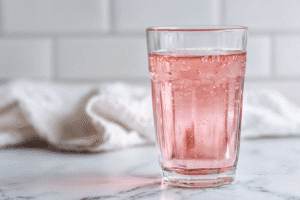
During any form of fasting—whether it’s intermittent fasting, OMAD, or extended water fasts—electrolytes become essential. You’re losing sodium, potassium, and magnesium through urine and sweat. And pink salt, with its natural mineral content, replenishes what your body loses without breaking your fast.
Why Electrolyte Balance is Critical During Fasting
Yes, it’s possible to use too much salt, even if pink salt does not break a fast. Excess sodium can lead to water retention or nausea, especially if your kidneys are under stress. Start with 1/4 teaspoon once or twice a day, and adjust based on how your body responds. So when you’re sipping water with a pinch of pink salt during a 24- or 72-hour fast, autophagy continues uninterrupted.
Faith Or Personal Rule Fasts
Low sodium during fasting can cause muscle cramps, especially if unimeal review you work out. Mild sodium depletion and dehydration can trigger headaches during fasting. While not hyponatremia, these headaches are linked to an imbalance in fluid regulation, a role sodium normally supports. During fasting, most individuals do not experience sodium levels dropping to the point of hyponatremia. This effect could be more noticeable in people with diabetes, who typically have higher blood sugar, potentially leading to increased sodium loss. Mymission is to help you tap into fat burning, eat meals you love and finally feel good again… all without counting calories.
Unflavored Whey Protein Powder
The focus should be on replenishing lost electrolytes, not overwhelming the system with sodium. That’s the core reason plain salt usually stays “fast-safe.” What changes the answer is your fasting rule, the kind of product you’re using, and how much sodium you take in. In addition to having a higher concentration of trace elements, particularly sodium, sea salt is lightly processed and generally has low sodium levels.
How To Have Salt While Fasting?
Not only do I fast intermittently, but I also eat a low-carb diet and sweat… A LOT. Dialing in my electrolyte intake (especially sodium) made me feel like a whole different animal. While you certainly shouldn’t perform a monstrous fast like this without medical recommendation and supervision, everyone would do well to mind their sodium intake while fasting. When selecting bouillon or broth, prioritize options that are unflavored or minimally processed and very low in calories, ideally under 10 calories per serving.
Dividend Growth Calculator: Forecast Future Income Accurately & Avoid Pitfalls
Intermittent fasting (IF) is the practice of alternating when you eat and when you don’t eat. Fasting can last up to 12 to 16 hours or done over periods of several days. They can also alleviate common fasting side effects, such as headaches, dizziness, and muscle cramps. But the amount may vary depending on your fasting schedule and your diet. You can add this amount to your water while fasting or incorporate it into your meals when you break your fast.
Pre-workouts and workout supplements
- Consult with a pediatrician or obstetrician for guidance on appropriate dietary practices.
- For those choosing to supplement, the preparation and dosage of salt water require careful consideration to ensure safety and effectiveness.
- While some believe that consuming salt breaks a fast, the reality is that it depends on the purpose and type of fasting one is following.
- Sodium is vital for nerve impulse transmission and muscle contractions.
- While sodium is essential during fasting, moderation is key.
- Without it, you’re more likely to experience headaches, muscle cramps, or fatigue—symptoms that often lead people to end their fast early.
This is particularly important during longer fasts when electrolyte depletion becomes more significant. The salt helps maintain the proper osmotic balance, ensuring water goes where it’s needed in your body. This becomes particularly important during extended fasts when your body isn’t getting sodium from food sources.
A general guideline is to consume around 2-3 grams of sodium per day. Start with small amounts and gradually increase as needed, paying attention to how your body responds. Consult with a healthcare professional for personalized recommendations.
High White Blood Cell Count Explained: Causes, Tests & When to Worry
Sodium plays a key role in supporting muscle function, energy production, and electrolyte balance, so maintaining proper levels while fasting is essential. When you are fasting for a long period of time, your body excretes more sodium, while you consume little to no sodium with food. This can eventually lead to adverse health effects, which is why replenishing your levels of sodium is important for maintaining good health. It also doesn’t contain calories and doesn’t affect your fasting. In fact, sea salts like Baja gold or pink Himalayan are less processed and contain more minerals, making them a better choice for replenishing your electrolyte levels. It actually depends on the faith and the specific rules of fasting.
Strict water fasts may discourage any non-water consumption, including salt. Intermittent fasting and other less restrictive forms of fasting offer more flexibility. Chances are, you don’t know how much sodium you’re eating on a typical day. Indirectly, yes — better hydration and electrolyte balance can reduce the fatigue and irritability that trigger cravings. Celtic salt, also known as Sel Gris or «grey salt,» is harvested using traditional Celtic methods in the Brittany region of France. This salt is hand-raked and dried, preserving its natural moisture and retaining many important minerals like magnesium, calcium, potassium, and traces of other beneficial elements.
Why is pink salt better than regular salt for fasting?
It contains no calories, carbohydrates, proteins, or fats. Its primary function in the body is related to electrolyte balance, nerve function, and fluid regulation. Therefore, consuming plain salt will not trigger an insulin response, interrupt autophagy, or provide the body with energy that would pull it out of a fasted state. Instead, it plays an essential role in maintaining fluid balance and preventing dehydration making it essential to consume while fasting.