 (+57) 3235897210
 hey@crezgo.com


Okay, so check this out—I’ve spent years juggling browser wallets and dang, some days felt like a circus. Here’s the thing. My instinct said the usual suspects were fine. Initially I thought extensions were all the same, but then a few odd transactions made me rethink that whole assumption. Wow!
My first impression was simple: speed matters. Seriously? Yes, really — speed and clarity save you from dumb mistakes. Most wallets show you too much noise at once, which makes me tense. On one hand, a busy interface signals power; on the other hand, I just want to send funds without sweating. Hmm…
One afternoon I watched a swap fail silently. It was annoying and instructive. I dug into logs and permissions, and somethin’ felt off about the permission prompts. I can’t say every wallet misbehaves, but enough do that trust erodes. Here’s the thing.
Rabby felt different the first time I used it. It’s not flashy. It focuses on the flows that actually matter. My gut said «this is more honest» before I even checked the code. Actually, wait—let me rephrase that: my instinct nudged me to audit the UX deeper, and the more I poked around the more the design choices made sense. Whoa!
The safety features are subtle but effective. Medium-length confirmations, clear allowance controls, and transaction previews reduce dumb clicks. On a micro level this cuts risk a surprising amount, though it’s not a silver bullet. I’m biased, but that attention to nuance is rare. Really?
Here’s a concrete bit: transaction simulation before signing. It shows slippage and token change estimates plainly. That little step saved me from a sloppy token swap last month. On top of that, the permissions UI makes allowances explicit, which is crucial for limiting exposure. Hmm…
Look, no wallet is perfect. Bugs happen. Extensions have surface area that sites can probe. Initially I thought more features meant more risk, but then realized well-designed features can actually reduce risk by guiding users better. On one hand complexity creates attack vectors; though actually, guided complexity can be safer when it’s done right. Wow!
I want to be practical here. For daily DeFi moves I prefer quick yet informed approvals. Rabby organizes approvals so they’re not a guessing game. The address book, network toggles, and gas presets cut friction in a meaningful way. I’m not 100% sure every keeper will love it, but most power users will appreciate the nuance.
Adoption matters too. If a wallet is awkward, people bypass safety for convenience. That part bugs me. Rabby balances convenience and guardrails in ways that feel deliberate, not accidental. Initially I doubted whether a browser extension could be both light and secure, but usage convinced me otherwise. Whoa!
There’s another angle—developer ergonomics. For folks building dapps, predictable signing patterns matter. Rabby exposes clear error messages and structured prompts, which makes debugging easier. That cut my dev time on a small integration by quite a bit. I’m telling you, debugging with clearer prompts is underrated. Really?
Let me be frank about limitations. It still runs in a browser, so browser compromises are the main threat vector. Hardware wallet integration reduces that surface, but users must enable and use it correctly. On one hand Rabby supports hardware wallets well; though actually, users often skip setup steps, which is a human problem more than a product problem. Hmm…
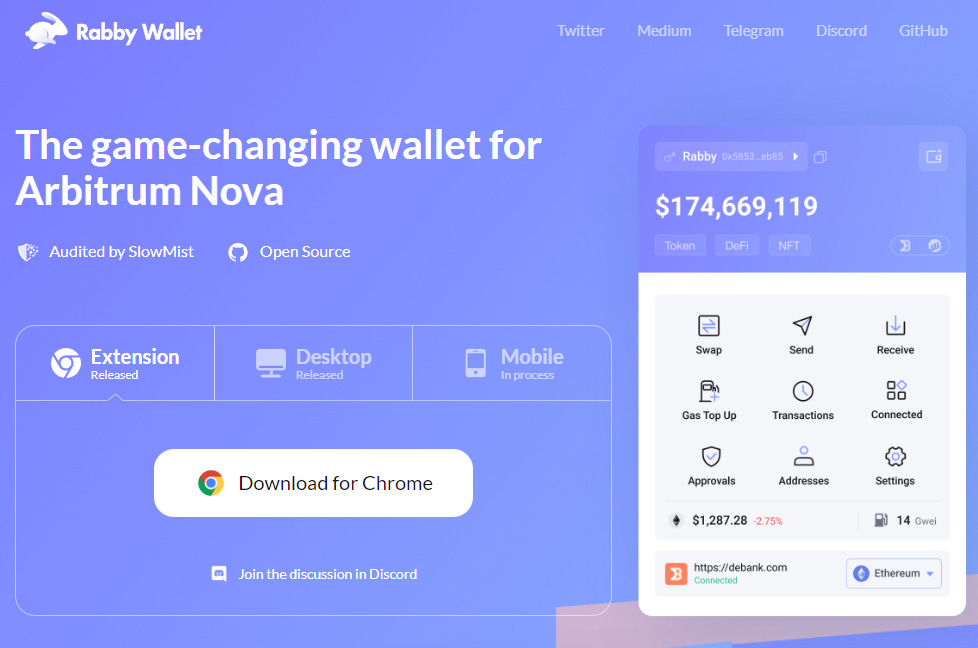
How Rabby Changed My DeFi Workflow
After switching I stopped second-guessing simple swaps. My workflow tightened: check preview, verify allowance, confirm with hardware if it’s big. I also started batching smaller tasks and using network presets to avoid chain confusion. Over time that habit cut mistakes and saved gas. Here’s the thing.
For readers who want to try it, the install path is straightforward and the onboarding nudges are helpful. If you want to grab it, check out rabby wallet for the download and setup notes. That single link led me to a modest, practical extension page that didn’t oversell itself. Wow!
I’ll be honest: there were trade-offs I had to swallow. Some niche features I like in other wallets are missing. The team moves fast and sometimes changes UI bits, which is a mild annoyance. But the core promise—clearer approvals and fewer surprises—remains intact. I’m biased, but this part matters a lot.
Security posture is more than code. It’s mental models. Rabby helps shape safer mental models by making consequences visible before you click. That behavioral nudge matters for new users and frequent traders alike. On one hand we want full control; on the other hand we want guardrails that prevent catastrophic mistakes. Whoa!
There’s a community aspect too. The extension has an active channel where folks report issues and the maintainers respond. I ran into a small bug and saw a fix rolled out within a reasonable timeframe. That responsiveness made me feel like my attention and time were respected. Hmm…
Frequently asked
Is Rabby safe for large balances?
Use hardware wallet pairing for big sums. Rabby helps by showing detailed previews and permission controls, but any browser extension inherits browser-level risk. For very large holdings consider cold storage and only connect hot wallets for operational needs.
Will Rabby change my gas costs?
It can help reduce wasted gas by offering presets and clearer gas estimates, though market conditions ultimately determine fees. Set your preferred presets and keep an eye on network congestion.